How to Choose the Right Residential Electrician for Your Home


Choosing a Residential Electrician is one of those decisions that seems routine until something goes wrong. A flickering light or dead outlet may feel minor, but the work behind your walls carries real safety consequences. Poor electrical work can lead to nuisance breaker trips, damaged appliances, failed inspections, and in the worst cases, fire. Good work, on the other hand, disappears into the background. Your switches respond cleanly, your panel is labeled properly, and your home simply works the way it should.
Homeowners often start the search with price, and that is understandable. Electrical work can be expensive, especially when a small symptom turns out to be part of a larger issue. But cost alone is a weak filter. The right electrician is not just someone who can complete a task. It is someone who can diagnose accurately, communicate clearly, work safely, and leave you with confidence that the repair or installation will hold up years from now.
The challenge is that many electricians look similar from the outside. Websites promise reliability. Trucks are wrapped with polished branding. Reviews are often positive, but vague. The real differences tend to show up in the details, in the questions they ask, the way they inspect a problem, the quality of their estimate, and how they talk about permit requirements, load calculations, or panel capacity. Those are the things worth paying attention to.
The first question is not price, it is scope
Before you compare contractors, define the kind of job you actually have. Homeowners often describe electrical work in broad terms, but electricians price and plan around specifics. “I need a few things fixed” is too loose. “The kitchen GFCI trips whenever the toaster and coffee maker run together” is far more useful. So is “I need a level 2 EV charger installed in the garage, and the panel is on the opposite side of the house.”
The scope matters because not every Residential Electrician handles every type of home project with the same level of efficiency. Some do excellent service work, such as troubleshooting dead circuits, replacing outdated receptacles, or correcting code violations found during a home sale. Others are stronger in remodeling, panel upgrades, whole-home rewiring, lighting design, generator connections, or smart home installations. A company that shines at rough-in work for additions may not be the one you want for delicate troubleshooting in an older home with a mix of old and new wiring.
Old houses deserve special mention. Homes built decades ago often contain surprises: aluminum branch wiring, ungrounded circuits, knob-and-tube remnants, undersized service panels, overloaded junction boxes, or modifications made by previous owners. In those homes, diagnosis takes patience and judgment. A seasoned electrician usually notices patterns quickly, such as heat damage at back-stabbed devices or signs that multiple rooms were tied into one overloaded circuit years ago. If your home has age-related quirks, ask directly whether the electrician has worked extensively in homes from the same era.
Licensing, insurance, and permits are not paperwork trivia
A legitimate electrical contractor should be properly licensed according to local and state requirements. That seems obvious, yet many homeowners skip this step when hiring through a referral or a neighborhood social media group. “My cousin used him and said he was great” is not enough. Electrical work is too consequential for casual assumptions.
Licensing tells you that the contractor has met a baseline standard. It does not guarantee excellence, but it does tell you the person or company is operating within the legal framework for the trade. Insurance matters just as much. If a worker is injured on your property or your home is damaged during the job, you do not want ambiguity about coverage.
Permits are where homeowner frustration often begins. Some people resist them because they add cost and time. A good electrician does not wave permits away just to win a job. They explain when a permit is required, what inspection will cover, and why it protects you. For a straightforward fixture replacement, a permit may not be needed. For a service upgrade, new circuits, significant rewiring, or generator interconnection, permit requirements are usually very real. If someone says, “We can skip that, nobody checks,” take that as a warning rather than a favor.
Experience is not just years in business
A company can advertise “25 years of experience,” but that phrase is less useful than it sounds. You want relevant experience, not just elapsed time. Ask what kind of residential work they do most often. An electrician who spends most of the year on commercial tenant buildouts may still be highly skilled, but residential homes present different challenges. Access is tighter, systems vary more from house to house, and the work often requires a different kind of communication because the customer is living inside the project.
The best Residential Electrician for your home usually demonstrates practical judgment in conversation. If you describe a tripping breaker, they do not jump immediately to replacing the breaker. They ask what else is on that circuit, whether the trip happens under load, whether any recent work was done, and whether the breaker feels hot. If you mention wanting recessed lights in an older ceiling, they ask about attic access, insulation type, and whether there may be plaster rather than drywall. Those follow-up questions show they are already thinking like a problem solver instead of a salesperson.
I have seen homeowners misled by confidence. A contractor arrives, talks fast, throws out a diagnosis in two minutes, and promises a same-day fix. Sometimes that confidence is earned. Sometimes it is a shortcut around actual troubleshooting. Electrical systems punish shortcuts. The better electrician may appear a little slower at first because they are gathering information, testing carefully, and ruling out possibilities before opening the quote app.
Estimates reveal a lot about professionalism
An estimate is more than a price. It is one of the clearest windows into how a contractor operates. A vague quote that says “electrical work in kitchen, $2,400” creates room for misunderstandings. A stronger estimate outlines what is included, what materials or devices will be used, whether permits are included, how many fixtures or receptacles are covered, and what conditions could change the price.
That does not mean every quote must read like a legal contract. Service work and troubleshooting sometimes require a diagnostic fee or time-and-materials pricing because the problem is not fully visible at the start. That can be reasonable. The key is transparency. If an electrician tells you, “We charge a service call plus hourly labor after diagnosis, and we will explain options before proceeding,” that is a fair model. If they refuse to describe how pricing works, expect confusion later.
When comparing estimates, make sure you are comparing the same scope. One bid may include arc-fault and ground-fault code updates, permit fees, patching access holes, and panel labeling. Another may omit all of that, making it look cheaper while delivering less. The lower number is not a bargain if it excludes half the job.
Communication matters more than homeowners expect
Electrical work often disrupts daily life. Power may need to be shut off. Walls or ceilings may need to be opened. Some jobs uncover hidden conditions. In that environment, communication becomes part of the service, not a courtesy added on top.
A strong contractor sets expectations early. They tell you when they can come, how long the work is likely to take, what access they need, whether the power will be interrupted, and what follow-up may be required. If the job changes after they open a wall or inspect the panel, they explain why. That is especially important in older homes, where hidden conditions are common and honest change orders are sometimes unavoidable.
Notice how quickly they return calls or messages during the quoting stage. If scheduling is sloppy before they have your deposit, it rarely improves once the work begins. Also pay attention to whether they answer questions directly. You do not need a lecture on electrical theory, but you do need clear explanations in plain language. Good electricians know how to explain the difference between a nuisance trip and an overload, or why a two-prong receptacle cannot simply be swapped for a three-prong one without addressing grounding, all without sounding condescending.
Reviews help, but only if you read between the lines
Online reviews can be useful, but star ratings alone are a weak screening tool. A better approach is to read for substance. Look for comments that mention timeliness, cleanliness, problem-solving, and whether the final bill matched the quoted expectation. Reviews https://damiengpih879.talesignal.com/posts/how-a-residential-electrician-can-upgrade-your-lighting-design that mention specific jobs tend to be more informative than generic praise.
Patterns matter. One bad review among dozens of thoughtful positive ones may not mean much. Repeated complaints about no-shows, surprise charges, unfinished punch lists, or poor communication usually do. Also note whether the company responds professionally to criticism. A defensive or insulting response tells you something about how disputes are handled.
Referrals from neighbors can be especially valuable when the homes are similar to yours. If someone down the street recently upgraded a panel in the same style of house, their experience is more relevant than a glowing review from a customer who only had a chandelier installed in a newer build.
What to ask before you hire
A short conversation can tell you more than a polished website. Ask direct questions and listen for clear, practical answers.
- Are you licensed and insured for residential electrical work in this area?
- Have you handled projects like this in homes similar to mine?
- Will this job require a permit or inspection?
- How do you price troubleshooting, and what could change the final cost?
- Who will actually perform the work, and when can it be scheduled?
These questions are not confrontational. Reputable contractors hear them all the time. The goal is not to quiz someone into submission. It is to understand how they think, how they work, and whether their process fits your project.
Red flags worth taking seriously
Some warning signs are subtle, others are obvious. Homeowners ignore them most often when they are in a hurry, especially after losing power or discovering a dangerous panel issue.
- They offer to do permit-required work without a permit and frame it as a perk.
- They give a price without inspecting the panel, the service location, or the work area.
- They cannot explain what is included in the quote.
- They demand a large cash payment upfront for a standard residential job.
- They dismiss obvious safety concerns or pressure you to decide immediately.
There is a difference between decisiveness and pressure. A good electrician may urge prompt action if a panel shows scorching or a neutral connection is failing, because those can be serious hazards. But urgency should come with explanation, not theatrics.
The lowest bid often hides the highest risk
Most homeowners do not want the most expensive contractor, nor should they assume the highest price equals the best work. Still, very low bids deserve scrutiny. Electrical work has hard costs: labor, wire, breakers, boxes, devices, permit time, travel, and overhead. If one number is far below the rest, something is usually missing.
Sometimes what is missing is simple, such as cleanup, patch coordination, or permit handling. Other times it is more troubling, such as undersized wire, reused materials, ignored code requirements, or too little labor time allocated to do the job properly. A panel replacement quoted at a suspiciously low price may skip surge protection, omit grounding upgrades, or assume ideal conditions that rarely exist in real homes.
The real cost of a bad hire rarely appears on the original invoice. It shows up later, when another electrician has to trace undocumented wiring changes, correct a failed inspection, replace a miswired breaker, or repair drywall opened a second time because the first fix did not solve the root problem. Paying once for competent work is almost always cheaper than paying twice for rushed work.
Older homes, remodels, and specialty projects need extra care
Certain residential jobs deserve a more specialized lens. If you are renovating a kitchen or finishing a basement, ask whether the electrician regularly works with remodel schedules and coordinates well with other trades. Delays can cascade when electrical rough-in, inspections, insulation, and drywall all depend on each other.
If you are upgrading a service panel, ask how they evaluate your home’s electrical load. The answer should involve more than “bigger is better.” A thoughtful contractor considers your current usage and planned additions such as heat pumps, induction cooking, EV charging, hot tubs, workshops, or accessory dwelling units. Oversizing is not always harmful, but design by guesswork is not a sign of quality.
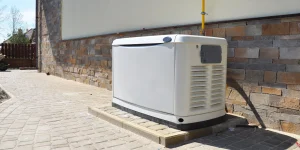
For generator hookups, transfer switches, and whole-home surge protection, the best electricians explain not only installation but use. Homeowners should leave the job knowing what circuits are backed up, how to operate the system safely, and what maintenance is recommended. The same goes for EV chargers. A clean install is not enough if the circuit is poorly planned, the charger location is awkward, or the homeowner is not shown how the setup affects panel capacity.
Older homes present a different challenge. If your house still has cloth-insulated wiring, aluminum branch circuits, or a crowded fuse box, you need someone comfortable making judgment calls about repair versus replacement. Blanket statements are not useful here. Not every old component requires immediate full-house rewiring, but not every old system is safe to leave untouched either. The right electrician knows how to prioritize. They can tell you what is urgent, what can wait, and what should be monitored.
Clean work is usually careful work
Homeowners naturally focus on whether the lights turn on when the job is done. That matters, but physical workmanship tells its own story. Open the panel door, if it is safe and appropriate for you to view after the work is complete. Are the circuits labeled clearly? Are cables routed neatly? Do boxes sit flush? Are devices straight and secure? Is the workspace left clean?
Neatness is not just aesthetics. In electrical work, organization often tracks with discipline. An electrician who labels circuits, secures conductors properly, and takes time with fit and finish is often the same person who torques terminations correctly and follows testing procedures rather than guessing. Sloppy workmanship does not always mean a dangerous installation, but it raises the odds that corners were cut where you cannot see them.
Warranties are useful, but clarity matters more than promises
Many homeowners ask about warranty terms, and that is sensible. Still, do not let a long warranty distract from the basics. A ten-year promise is only valuable if the company is stable, responsive, and clear about what it covers. Labor, materials, manufacturer defects, and troubleshooting return visits are not always treated the same way.
A straightforward explanation beats a grand claim. If a contractor says, “We warranty our workmanship for one year, and manufacturer warranties apply to the devices we install,” that may be more trustworthy than someone making broad promises with no detail. Also ask how callback issues are handled. If a new circuit trips repeatedly a month after installation, you want to know whether they will come back promptly and whether there will be a charge if the issue is related to their work.
Timing, availability, and emergency service
Scheduling often influences hiring decisions more than homeowners admit. If one contractor can come tomorrow and another is booked for two weeks, urgency may settle the question for you. That is not irrational. Some electrical issues cannot wait. A warm outlet, burning smell, buzzing panel, or intermittent power loss to major appliances deserves prompt attention.
Even so, availability should be weighed with caution. Immediate availability can mean efficiency and good staffing, or it can mean a weak backlog because the company struggles to keep work. Neither is automatically true. Ask how they handle urgent residential calls. Do they reserve space for emergencies? Is there an after-hours rate? Will a licensed electrician be on site, or only a technician gathering information for a later visit?
For non-emergency projects such as adding receptacles, replacing fixtures, or planning a panel upgrade before an EV purchase, patience often pays off. It is usually better to wait a little longer for the right Residential Electrician than to hire the wrong one because they happened to answer first.
Trust your instincts, but base them on specifics
Homeowners are often told to “trust your gut,” which is not bad advice if your instincts are grounded in observation. Do you feel rushed? Do answers stay vague? Does the estimate seem thin? Does the contractor inspect carefully or barely look around? Do they explain trade-offs honestly, or do they act as if every job has one obvious solution?
The best hires usually inspire confidence in ordinary ways. They arrive when expected, ask relevant questions, notice details, explain options, and document the work clearly. They do not need sales theatrics because competence is persuasive on its own. If you are deciding between two qualified electricians, the one who communicates better and seems more thoughtful about your specific home is often the safer choice, even if their price is not the lowest.
Your electrical system is not a decorative feature. It is a core part of how your home functions every hour of every day. Choosing the right Residential Electrician means looking past slogans and quotes to find the contractor whose skill, judgment, and habits match the stakes of the work. When you do, you are not just buying a repair or an installation. You are buying safety, reliability, and one less thing to worry about every time you flip a switch.
Paxos Electric Company, LLC
255 NJ-15, Wharton, NJ 07885, United States
+1 973-598-8543
FAQ About Residential Electrician
What does a residential electrician do?
A residential electrician installs, inspects, maintains, and repairs electrical systems in homes. Common services include troubleshooting circuits, replacing panels, adding outlets and lighting, and completing electrical work for renovations.
When should I call an electrician for my home?
Call a licensed electrician if you notice repeated breaker trips, flickering lights, buzzing, burning odors, warm outlets, sparks, or unexplained power loss. Urgent warning signs should be addressed promptly.
Can a residential electrician upgrade an electrical panel?
Yes. A qualified electrician can evaluate the existing service, determine whether an upgrade is appropriate, obtain required permits, and install a panel sized for the home and planned electrical loads.
Do I need an electrician to install an EV charger?
A home EV charger often needs a dedicated circuit and a review of panel capacity. A licensed electrician can confirm the manufacturer requirements and complete the installation according to local electrical codes.